
From record-breaking heat to hurricanes and atmospheric rivers, extreme weather events are reshaping risk for homes and commercial buildings. Understanding how wind, water, fire, and temperature extremes affect a structure—and when to consult a structural engineer—can protect life safety, limit damage, and improve resilience.
How Extreme Weather Damages Structures
- High winds and tornadoes: Uplift pressures can strip roofs, snap connections, and shift frames. Weak links in the load path cause progressive damage, especially at roof-to-wall and wall-to-foundation connections.
- Hurricanes and storm surge: Overturning forces, wave impact, and debris strikes compromise foundations, piles, and lower-story shear walls.
- Flooding and heavy rain: Hydrostatic pressure, scour, buoyancy, and prolonged moisture lead to foundation movement, wall bowing, rot, and corrosion of embedded steel.
- Snow and ice: Excess snow load, drifting at parapets, and ice dams overstress roof members and cause leaks that degrade framing.
- Extreme heat and drought: Thermal expansion, soil shrink–swell, and drying-induced settlement lead to cracking, misalignment, and joint failures.
- Wildfire and embers: Radiant heat degrades materials; ember intrusion ignites attics and siding, undermining structural integrity even without direct flame contact.
- Hail: Impact damage to roofing and cladding accelerates water intrusion and long-term structural decay.
In Northeast Wisconsin, the most common weather-driven stresses are heavy snow and drifting loads on roofs, freeze-thaw cycling that works cracks open in concrete and masonry, and a rising spring water table that adds hydrostatic pressure at foundations and basement walls. Severe summer thunderstorms add wind-uplift risk to roofs and additions. Buildings across Green Bay and Manitowoc typically see several of these conditions in a single year, which is why load-path and drainage details matter as much as storm-event repairs.
Most Vulnerable Components
- Roof systems: Trusses, rafters, sheathing, and fasteners subjected to uplift, snow load, and impact.
- Cladding and attachments: Siding, soffits, and exterior insulation systems can detach under suction and wind-driven rain.
- Openings and glazing: Window and door failures admit water and internal pressurization.
- Foundations and slabs: Scour, erosion, differential settlement, and expansive soils.
- Connections: Bolts, straps, clips, and welds that complete the continuous load path.
Warning Signs to Check After a Storm
- New or widening cracks in foundations, masonry, or slab-on-grade
- Doors or windows sticking, racking of frames, or uneven floors
- Sagging or uneven roof lines, displaced trusses, or popped fasteners
- Water staining, spalling, rust-streaks, or soft spots in wood members
- Separation at roof-to-wall or wall-to-foundation joints
- Settlement near columns or pilasters; voids around footings
- Persistent musty odor, visible mold, or insulation saturated with water
If you observe any of these, document conditions with photos and promptly hire a structural engineer to assess safety and outline repairs.
When to Hire a Structural Engineer
Engage a licensed structural engineer when:
- You suspect structural damage post-event (wind, flood, wildfire, snow).
- There is visible movement, significant cracking, or deformation.
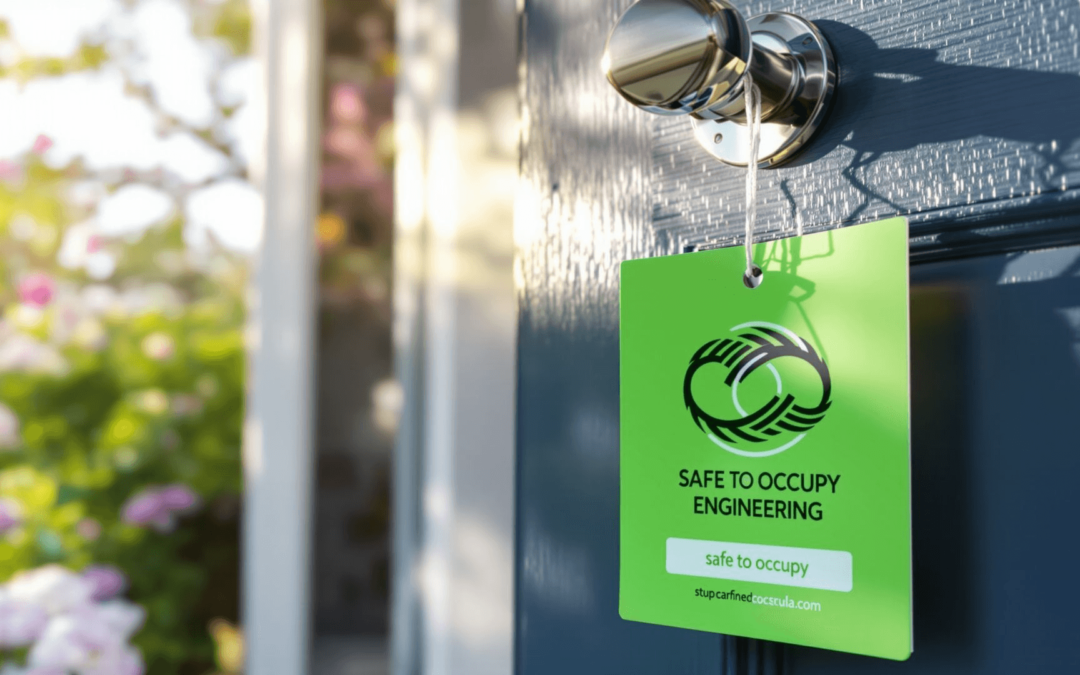
- You need a safety evaluation to reoccupy a building.
- Insurance or permitting requires an engineer’s report, repair design, or stamped drawings.
- You plan upgrades for wind, flood, or fire resilience and need load calculations and details.
- You’re elevating a structure, replacing a roof system, adding shear walls, or altering foundations.
A structural engineer provides a forensic assessment, calculates code-compliant loads (e.g., wind, flood, snow), designs repairs, and validates that contractors implement the continuous load path and detailing correctly.
Practical Upgrades to Boost Resilience
- Strengthen the load path: Add or upgrade roof-to-wall straps, hold-downs, anchor bolts, and sheathing nailing per current codes (e.g., ASCE 7 wind/snow loads).
- Roof improvements: Use enhanced nailing patterns, secondary water barriers, sealed roof decks, and impact-rated shingles or metal systems.
- Impact protection: Install impact-resistant glazing or shutters in wind-borne debris regions.
- Flood mitigation: Elevate equipment, add flood vents, consider dry or wet floodproofing, use flood-damage-resistant materials, and improve site drainage and backflow prevention.
- Foundation and soils: Improve drainage and grading, add scour protection, and consider deep foundations or helical piles in high-risk zones.
- Fire-hardening: Use Class A roofing, ignition-resistant siding, ember-resistant vents, noncombustible decks, and maintain defensible space in the home ignition zone.
- Envelope durability: Flashing upgrades, sealed penetrations, rainscreens, and corrosion-resistant connectors in coastal or humid environments.
- Monitoring and maintenance: Regular inspections, moisture control, and timely replacement of compromised fasteners and sealants.
A structural engineer can help prioritize measures by risk, often phasing improvements over multiple projects.
Planning, Insurance, and Documentation
- Keep a pre-event baseline: Photos, drawings, and prior inspection reports speed evaluations and claims.
- Understand policy limits: Elevation certificates, code upgrade endorsements, and flood coverage affect recovery. If you’re navigating a claim, hiring your own structural engineer for an insurance claim can help protect your interests.
- Build a response plan: Identify who to call, how to secure the site, and how to triage hazards.
- Require as-builts and engineer-stamped repair documents to preserve future insurability and resale value.
Bottom Line
Extreme weather will continue testing buildings. Proactive design, targeted upgrades, and timely inspections reduce risk—and when damage occurs, hiring a structural engineer helps make repairs safer, code-compliant, and more resilient against the next event.
Structural Engineering in Northeast Wisconsin
Curva Consultants provides damage investigation for wind, snow, rain, flood, and impact events, insurance claim support, and structural assessments and inspections for residential, commercial, industrial, and municipal projects, working in wood, steel, concrete, and masonry. The principal engineer holds Wisconsin PE License No. 47224.
Offices are in Green Bay and Manitowoc, with regular work in De Pere, Ashwaubenon, Allouez, Howard, Suamico, downtown Green Bay, the Appleton area, and the Sheboygan area.
If a storm has left you wondering whether damage is cosmetic or structural, get in touch or call 866-455-0155. A full list of services is on the structural engineering services page.
Frequently Asked Questions
What impact do extreme weather events have on building structures?
Extreme weather strains buildings through wind uplift and lateral loads, storm surge and debris impact, hydrostatic pressure from floods, snow and ice accumulation, heat-driven expansion, drought-related settlement, wildfires’ radiant heat and embers, and hail impact. These forces weaken roofs, walls, foundations, and connections, increasing the likelihood of leaks, cracking, and structural failure.
Which parts of a building are most vulnerable to extreme weather damage?
The most vulnerable components include roof systems (trusses, sheathing, fasteners), exterior cladding and soffits, windows and doors that allow pressurization and water intrusion, foundations and slabs susceptible to scour and settlement, and the connections tying the continuous load path together. Failures in these links often trigger progressive damage.
What warning signs after a storm mean I should hire a structural engineer?
After a storm, hire a structural engineer if you see new or widening foundation or masonry cracks, sticking doors or racked frames, sagging rooflines or popped fasteners, water staining, spalling or rust, separation at roof-to-wall joints, uneven floors, settlement near columns, persistent musty odors, or saturated insulation.
When should I hire a structural engineer after extreme weather?
Hire a structural engineer when safety is uncertain, significant cracking or deformation is present, reoccupancy requires evaluation, insurers or permitting demand an engineer’s report, or you plan resilience upgrades. They perform forensic assessments, calculate wind, flood, and snow loads, design code-compliant repairs, and provide stamped drawings for contractors.
What upgrades can strengthen a building against extreme weather?
Improve resilience by strengthening the continuous load path (straps, hold-downs, anchor bolts), upgrading roof decks and secondary water barriers, adding impact-rated glazing or shutters, elevating equipment and adding flood vents, enhancing drainage and scour protection, using ignition-resistant materials, and improving flashing. A structural engineer can help prioritize these measures by risk.
How should I document damage and handle insurance after a disaster?
Document a pre-event baseline with photos and plans, then capture post-event conditions methodically. Understand policy limits, flood coverage, and code-upgrade endorsements. Build a response plan, secure the site, and coordinate with insurers. Require engineer-stamped repair documentation to preserve insurability, speed claims, and maintain resale value after extreme weather damage.