
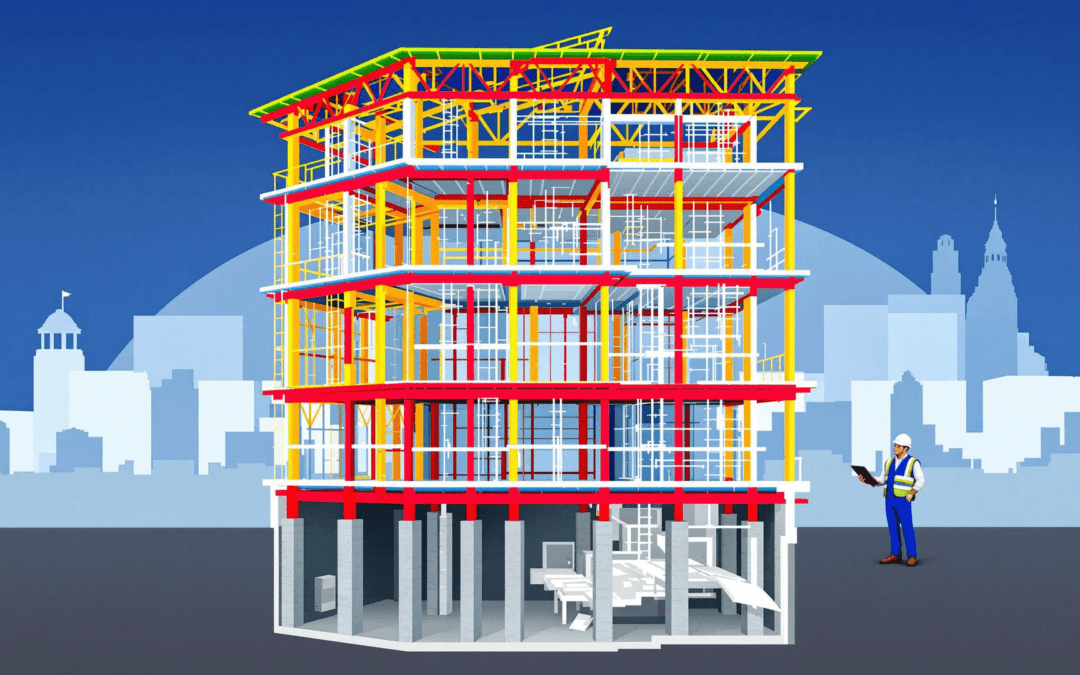
When constructing a building, understanding its structural elements is crucial for ensuring safety, durability, and functionality. Whether you’re planning to hire a structural engineer or simply curious about the mechanics behind architecture, recognizing these elements helps in appreciating the complex process of building design.
The Role of a Structural Engineer
A structural engineer is pivotal in the construction process. They are responsible for designing, assessing, and supervising the critical components of a structure. By assessing factors like weight, strength, and materials, they help ensure that everything is well-supported, safe, and sustainable. When you hire a structural engineer, you bring in expertise that helps mitigate risks and optimize the building’s performance.
Essential Structural Elements
- Foundation
- Purpose: The foundation supports the entire building, distributing weight evenly and helping prevent settlement issues.
- Types: Includes shallow foundations (like footings) and deep foundations (such as piles).
- Beams and Columns
- Beams: Horizontal elements that carry loads across gaps, supporting floors, roofs, and walls.
- Columns: Vertical elements that transfer loads to the foundation. They are critical for maintaining the building’s stability.
- Walls
- Function: Provide enclosure and support. Load-bearing walls play a structural role, supporting beams and the roof.
- Materials: Can be made from materials like bricks, concrete, or wood.
- Floors and Roofs
- Floors: Must bear loads and impacts; typically made from concrete, wood, or steel.
- Roofs: Protect from weather and contribute to thermal and acoustic insulation. Design varies from flat to sloped, depending on climate and aesthetics. In northeast Wisconsin, roof framing also has to be sized for heavy, drifting snow loads, which is a key input into the structural design.
- Trusses and Frames
- Trusses: Triangular units used to support roofs, distributing loads efficiently.
- Frames: Serve as the skeleton of the building, often made of steel or timber.
Importance of Material Selection
Choosing the right materials is vital for function, durability, and long-term performance. Common materials include:
- Concrete: Known for its strength and versatility.
- Steel: Offers high tensile strength and flexibility.
- Wood: Provides aesthetic appeal and insulation properties.
Material selection in this region also has to account for freeze-thaw cycling, which can gradually damage concrete and masonry that aren’t detailed correctly, and for clay soils that can affect how a foundation performs over time. A structural engineer familiar with local conditions factors these into the design from the start, along with permit-ready structural drawings and calculations.
Why Hire a Structural Engineer?
Hiring a structural engineer helps ensure that all of these elements are properly designed and integrated into the overall construction plan. They bring significant benefits:
- Expertise in Design and Analysis: They analyze the forces acting on a structure, helping it meet local building codes and standards.
- Material Efficiency: By optimizing material selection and design, they support efficient, code-compliant construction without compromising safety.
- Risk Management: They anticipate potential issues and offer solutions, reducing the risk of structural failure.
Conclusion
In the world of construction, understanding the basics of key structural elements is essential. From the foundation to the roof, each component works together to create buildings that are safe, functional, and enduring. Whether you’re a builder, architect, or future homeowner, appreciating these elements underscores the importance of hiring a structural engineer, whose expertise is invaluable in transforming architectural visions into reality.
Structural Engineering in Northeast Wisconsin
Curva Consultants provides structural design and analysis for renovation and new construction, damage investigation, and structural assessments and inspections for residential, commercial, industrial, and municipal projects, working in wood, steel, concrete, and masonry. The principal engineer holds Wisconsin PE License No. 47224.
Offices are in Green Bay and Manitowoc, with regular work in De Pere, Ashwaubenon, Allouez, Howard, Suamico, downtown Green Bay, the Appleton area, and the Sheboygan area.
If you’d like a structural engineer’s input on your building’s design, get in touch or call 866-455-0155. A full list of services is on the structural engineering services page.
Frequently Asked Questions
What are the key structural elements in buildings?
Key structural elements include the foundation, beams, columns, walls, floors, roofs, and trusses. Each plays a critical role in supporting and stabilizing the building.
Why is a foundation important in building construction?
The foundation provides support, distributes weight evenly, and helps prevent settlement issues. It’s crucial for the building’s overall stability and safety.
What is the role of a structural engineer in construction?
A structural engineer designs, assesses, and oversees the building’s structural components. Their expertise helps ensure that structures are safe, durable, and compliant with building codes.
How do beams and columns function in a building?
Beams are horizontal elements that support loads across gaps, while columns are vertical and transfer loads to the foundation. Together, they help maintain the building’s structure.
Why should you hire a structural engineer?
Hiring a structural engineer brings expertise in design, material efficiency, and risk management, supporting safety and reducing the risk of structural failure.