
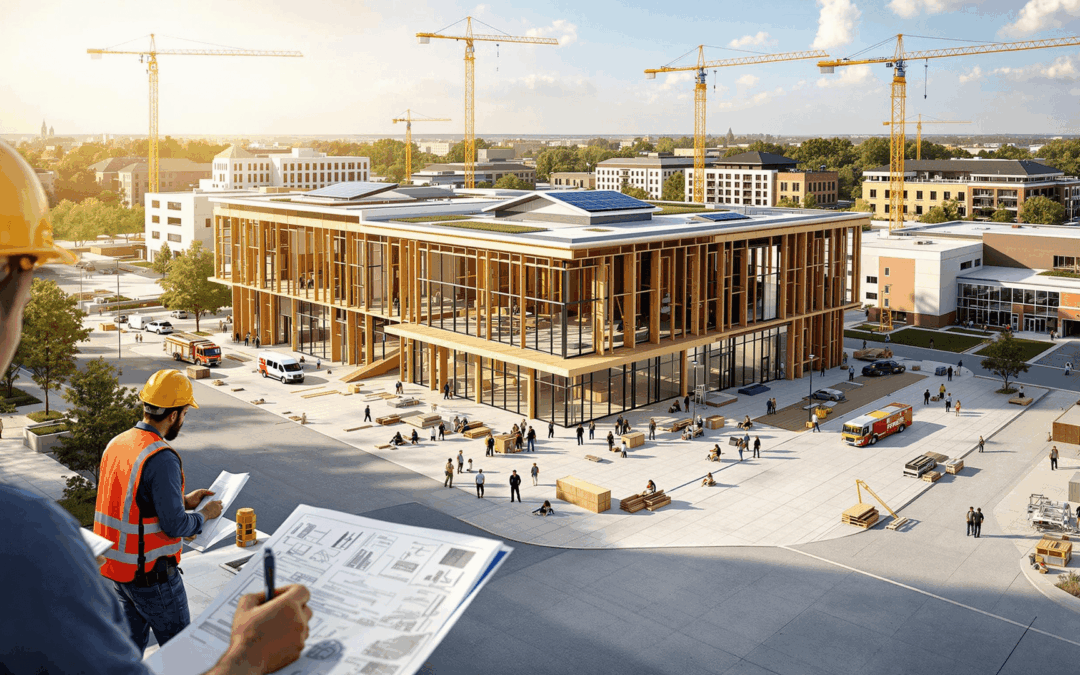
Municipal facilities are the heartbeat of every well-functioning community. From libraries and schools to fire stations and city halls, these taxpayer-funded buildings do more than serve basic civic needs, they represent a commitment to public safety, accessibility, and resilience. Constructing such spaces requires an acute awareness of both the needs of a diverse populace and the responsibilities involved in stewarding public funds. This article explores the landscape of structural design for municipal facilities and why working with a licensed structural engineer is essential for success.
The Unique Demands of Municipal Facility Design
Designing structures for public use comes with a unique set of requirements. Beyond the usual architectural and structural needs, municipal projects must address longevity, flexibility, sustainability, accessibility, and compliance with a myriad of regulations. These considerations help spaces stay welcoming, durable, and functional for the broadest possible cross-section of society.
Core Structural Design Principles for Public Buildings
1. Safety and Code Compliance
Public buildings are subject to rigorous safety regulations at the local, state, and federal levels. Municipal facilities must be designed to withstand natural disasters, heavy usage, and a wide array of functional stresses. A structural engineer’s expertise is crucial in interpreting and applying building codes to help every component meet or exceed safety standards.
Key Safety Considerations:
- Load-bearing capacities: Account for maximum expected loads, including crowds, heavy equipment, and specialized uses.
- Fire safety: Incorporate materials and layouts that slow the spread of fire and support safe evacuation routes.
- Wind and snow resistance: Design structures to withstand high-wind events and heavy snow loads.
- Redundancy in structural systems: Provide structural systems that can continue to carry load even if some components are compromised.
2. Durability and Maintenance
Public buildings need to remain functional and appropriate in appearance for many years, often a century or more. Structural engineers select materials and design systems that reduce long-term maintenance and account for inevitable wear and tear.
In northeast Wisconsin, that durability planning has to account for real regional conditions: freeze-thaw cycling that attacks exposed concrete and masonry, heavy snow and drifting loads on roofs, and clay soils that call for careful foundation design. A structural engineer weighs these local factors when selecting materials, detailing the building envelope, and sizing structural systems for municipalities in Green Bay, Manitowoc, and the surrounding communities they serve.
Durable Design Approaches:
- Material selection: Favoring robust materials like reinforced concrete, structural steel, and weather-resistant composites.
- Corrosion and moisture control: Address vulnerabilities in climates prone to moisture intrusion or freeze-thaw cycles.
- Facade and roofing systems: Prioritize systems that balance aesthetics with ease of maintenance and replacement.
3. Accessibility and Universal Design
Municipal buildings must be universally accessible, reflecting the diversity and needs of the community. This calls for barrier-free entryways, accessible restrooms, appropriate signage, and adaptable layouts.
Structural Accessibility Strategies:
- Wide corridors and doorways: Facilitate movement for people with mobility aids.
- Integrated ramps and elevators: Eliminate vertical barriers.
- Adjustable-use spaces: Support rooms that can be reconfigured for community events, meetings, or emergency response.
4. Flexibility and Future-Proofing
Civic buildings often serve multiple functions over their lifespan. Libraries might become community centers; school gyms might host disaster relief efforts. Flexible designs that accommodate change are a real asset.
Elements of Flexible Design:
- Open-span structures: Allow for easy reconfiguration of interior spaces.
- Modular systems: Support expansions or renovations with minimal disruption.
- Infrastructure redundancy: Embed additional utility capacity for future technological upgrades.
5. Sustainability and Environmental Responsibility
Taxpayer-funded facilities set the tone for community sustainability standards. Energy efficiency, durable materials, and minimal environmental impact are common priorities.
Sustainable Strategies Include:
- Passive solar design: Orient windows and overhangs to maximize natural light and reduce energy use.
- Rainwater harvesting and green roofs: Reduce potable water use and help mitigate heat island effects.
- Recognized sustainability standards: Use established guidelines to benchmark and improve performance.
The Role of the Structural Engineer in Municipal Projects
The structural engineer’s role extends far beyond calculations, they become a key collaborator from vision through construction. Municipal projects are rarely straightforward. There are layers of bureaucracy, bidding processes, and scrutiny from the public eye. A structural engineer whose experience aligns with the complexities of civic work helps maintain integrity in every phase.
What a Licensed Structural Engineer Provides
A qualified structural engineer brings more than calculations to a municipal project. That includes:
- Understanding of public procurement: Navigating regulations, public accountability, and transparent bidding.
- Experience with civic building types: Familiarity with schools, libraries, and other public facilities that reflects an understanding of the distinct civic environment.
- Collaborative engagement: Working alongside architects, municipal staff, and the public to refine the design and answer concerns.
- A long-term view: Weighing durability and maintenance needs against the demands of construction, not just the day the doors open.
A structural assessment or inspection of an existing municipal building can also help a community understand what it is working with before committing to a renovation, addition, or repurposing project.
When to Hire a Structural Engineer
It is generally advisable to bring a structural engineer in early in the project lifecycle, ideally during the initial feasibility and planning stages. Early involvement allows the engineer to:
- Identify site-specific challenges: Soil conditions, drainage, and infrastructure availability can all affect the design.
- Support permitting and approvals: Early coordination with structural drawings and calculations for the building permit streamlines the permitting process and helps avoid rework later.
- Coordinate structural systems: Early design input helps the architecture and structure evolve together, reducing conflicts during construction.
Transparency and Stewardship of Public Funds
Taxpayer-funded projects demand transparency and accountability at every stage. Structural decisions affect a building’s construction and its operation over its full life, so choosing the right materials, load systems, and construction methods matters to the whole community. Long-term performance and durability should weigh heavily in these decisions, not just the earliest phase of construction, since materials and systems selected for service life and low maintenance tend to serve a community well for many years.
Community Engagement and Stakeholder Input
Structural design doesn’t happen in a vacuum. Modern municipal projects increasingly invite public input, whether in town hall meetings, online surveys, or through design charrettes. Structural engineers need to be responsive to:
- Community concerns about aesthetics, accessibility, and use.
- Stakeholder groups with specialized needs (e.g., senior citizens, parents, people with disabilities).
- Environmental advocates pushing for green building standards.
Active communication and transparency foster trust and help yield facilities that are more in tune with local values and practical needs.
Innovations in Structural Engineering for Public Facilities
The future of municipal building is being shaped by advances in technology and heightened demands for community resilience. Collaboration between architects, designers, and structural engineers can yield innovations that meet tomorrow’s challenges.
Technological Trends
- Advanced modeling software (BIM): Streamlines inter-disciplinary coordination, reduces errors, and visualizes design scenarios before construction.
- Prefabrication and modular construction: Speeds up building timelines, reduces waste, and supports overall quality.
- New materials: Innovations like cross-laminated timber (CLT) or high-performance concrete offer enhanced sustainability and performance.
Conclusion: Building with Purpose
Designing structural systems for municipal facilities means building for everyone. Each structural decision must factor in not just the present, but the evolving needs of future generations. By engaging a qualified structural engineer at the earliest stages, one who understands public needs, regulatory demands, and practical problem-solving, municipalities can deliver buildings that support community trust and stand strong for many years.
If you are planning a municipal project, bringing in a structural engineer with experience in civic facilities early in the process supports the safety, sustainability, and efficient use of public funds throughout the project.
Structural Engineering in Northeast Wisconsin
Curva Consultants provides structural design and analysis, structural assessments and inspections, and damage investigation for local government and municipal facilities, along with residential, commercial, and industrial projects, working in wood, steel, concrete, and masonry. The principal engineer holds Wisconsin PE License No. 47224.
Offices are in Green Bay and Manitowoc, with regular work in De Pere, Ashwaubenon, Allouez, Howard, Suamico, downtown Green Bay, the Appleton area, and the Sheboygan area.
If your municipality is planning a new facility, renovation, or assessment of an existing public building, get in touch or call 866-455-0155. A full list of services is on the structural engineering services page.
Frequently Asked Questions
What are key structural design principles for municipal facilities?
Key principles include safety and code compliance, durability, accessibility, flexibility for future needs, and sustainability. These principles help municipal facilities serve diverse communities effectively and support long-term public investment in taxpayer-funded buildings.
Why should you hire a structural engineer for public building projects?
A structural engineer helps a municipal project meet safety standards, be structurally sound, and be designed for a long service life. Their expertise supports public buildings serving the community reliably for many years.
How do structural engineers enhance safety and compliance in municipal facilities?
Structural engineers design buildings to withstand disasters, heavy use, and adhere to building codes. Their work supports facilities that remain safe for all users, aligning with public safety and regulatory requirements.
What makes taxpayer-funded buildings different from private projects in their structural design?
Taxpayer-funded buildings have unique considerations such as higher accountability, stringent accessibility standards, durability, and the need for transparency. Structural engineers address these factors to support value and equity in civic construction.
How does hiring a structural engineer impact sustainability in public projects?
Hiring a structural engineer helps municipal facilities incorporate sustainable practices, such as energy-efficient systems and durable, low-maintenance materials, supporting long-term performance and reduced environmental impact.
What role does community input play in municipal facility design?
Community input shapes public buildings by reflecting local needs, accessibility, and cultural values. Structural engineers collaborate with stakeholders to design facilities that serve everyone and support public trust.
When is a good time to hire a structural engineer for a municipal project?
A good time to hire a structural engineer is during the early planning and feasibility stages. Early involvement helps address site challenges, streamline permitting, and shape the design for safety, functionality, and future adaptability.