
Beyond the blueprint

Ceiling Loads You Didn’t Plan For: A Structural Engineer’s Guide to Hanging HVAC, Signage, Lighting, and Speakers
Commercial interiors often change faster than the base building structure: tenants add HVAC units, branding signage, lighting features, and speakers long after the shell is complete. The catch is that ceilings are not blank canvases. Every suspended item creates load...

Fire-Rated Assemblies & Structural Impact: A Structural Engineer’s Guide to Commercial Buildings
Fire-rated assemblies do more than satisfy the building official—they drive fundamental choices in beams, decks, slabs, and connections. From the first sketches, a structural engineer evaluates how fire separations, fire-resistance ratings, and continuity rules affect...

Coordination Is Key: How a Structural Engineer Aligns Design With Architects and MEP
In complex building projects, coordination is the difference between a smooth build and a frustrating, schedule-busting mess. From the first sketch to the final submittal, a structural engineer plays a pivotal role in aligning architectural intent with mechanical,...

Change-of-Use Tenant Build-Outs: A Structural Engineer’s Checklist
A change of use or tenant build-out can change how a building needs to perform structurally, even when no walls move. The moment a space is planned for a use with heavier, more repetitive, or more concentrated loads than what came before—a studio, a light...

Offices Reimagined: Why a Structural Engineer Is Essential for Flexible Workspaces
The modern office is in flux, and flexible workspaces are now a strategic advantage. Whether you're planning a new headquarters or reimagining an existing floor plate, a structural engineer is central to making adaptability safe, efficient, and durable. From raised...

Open Spaces, Heavy Loads: Structural Solutions for Retail Floorplans
Retail and other tenant spaces thrive on openness—clear sightlines, flexible layouts, and uninterrupted circulation. But when heavy shelving, display systems, or dense storage enter the picture, that openness can clash with structural realities, and an existing...
Dynamic and Rhythmic Floor Loads: What a Structural Engineer Checks
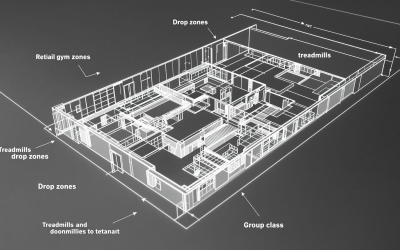
Existing floors are not always built for heavy or dynamic live loads. When a tenant build-out or change of use introduces rhythmic movement, dropped equipment, concentrated point loads, or heavy machinery, the floor that worked fine for a retail shop or office may not...

Beams and Loads: Why Restaurant Build-Outs Need a Structural Engineer
Opening or renovating a restaurant space is equal parts vision and rigor. Heavy kitchen equipment, walk-in coolers, rooftop exhaust fans, and high-traffic dining spaces all impose demands on a building's frame that a typical office or retail fit-out never sees. A...

High-Performance Foundations: Soil, Site, and Slab Considerations with a Structural Engineer
From concept through construction, a high-performance commercial foundation starts with the ground beneath it. Soil behavior, site conditions, and slab selection all interact to determine performance and risk. Early involvement from a structural engineer—working...