
Beyond the blueprint

Tenant Improvements That Require a Structural Engineer (Restaurants, Gyms, Retail, Offices)
Tenant improvements in single- or multi-tenant commercial spaces can seem straightforward: move some walls, add equipment, refresh finishes. But many scopes trigger a structural review, and missing these triggers can stall permits or create safety risks. Knowing when...
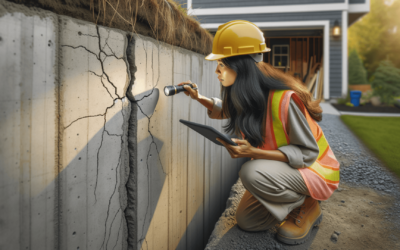
Foundation Movement 101: When a Crack Is Cosmetic vs. a Structural Problem (and When to Call a Structural Engineer)
Found a crack in your foundation or drywall and wondering if it's harmless or a warning sign? For one- and two-family dwellings, understanding foundation movement can help you prioritize repairs and know when it's time to call a structural engineer. This guide focuses...

Balconies, Thermal Breaks, and Long-Term Durability in Multi-Family Buildings: A Structural Engineer’s Guide
Balconies define the lifestyle and market appeal of multi-story condos and apartments—but they also concentrate risk. From thermal bridges that sap energy and spawn condensation to corrosion that compromises safety, a balcony is where envelope and structure collide. A...

Mixed-Use Underground Parking: Where Garages Fail First—and How a Structural Engineer Reduces the Risk
Underground parking beneath mixed-use projects is a tough environment for concrete and steel. Hydrostatic pressure, deicing salts, tight site constraints, and nonstop traffic all conspire to shorten service life—unless a structural engineer anticipates the risks and...

When to Hire a Structural Engineer: Key Project Milestones
If you are planning a build, a renovation, or dealing with a structural problem, knowing when to bring in a structural engineer makes the whole project easier. A structural engineer evaluates loads, materials, and codes so the structure is safe, durable, and...
Extreme Weather’s Impact on Buildings: When to Hire a Structural Engineer
From record-breaking heat to hurricanes and atmospheric rivers, extreme weather events are reshaping risk for homes and commercial buildings. Understanding how wind, water, fire, and temperature extremes affect a structure—and when to consult a structural engineer—can...
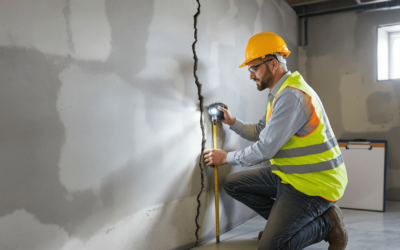
Understanding Foundation Cracks: When to Worry and When to Call a Structural Engineer
Foundation cracks are common, and most of them are not an emergency. The useful question is which ones matter. This guide explains how to tell a cosmetic crack from a structural one, what to do while you are deciding, and when to bring in a structural engineer. Common...

The Importance of Regular Structural Inspections by a Structural Engineer
Regular structural inspections, conducted by a licensed structural engineer, are essential for safeguarding lives, property, and long-term asset value. Whether you manage a commercial portfolio or own a single-family home, knowing when to hire a structural engineer...

Common Structural Problems in Older Buildings—and When to Hire a Structural Engineer
Owning a historic home or vintage commercial property is rewarding, but age can hide weaknesses that threaten safety and value. Early signs of distress often look cosmetic, yet they may signal deeper issues that warrant a structural engineer. Knowing what to watch...